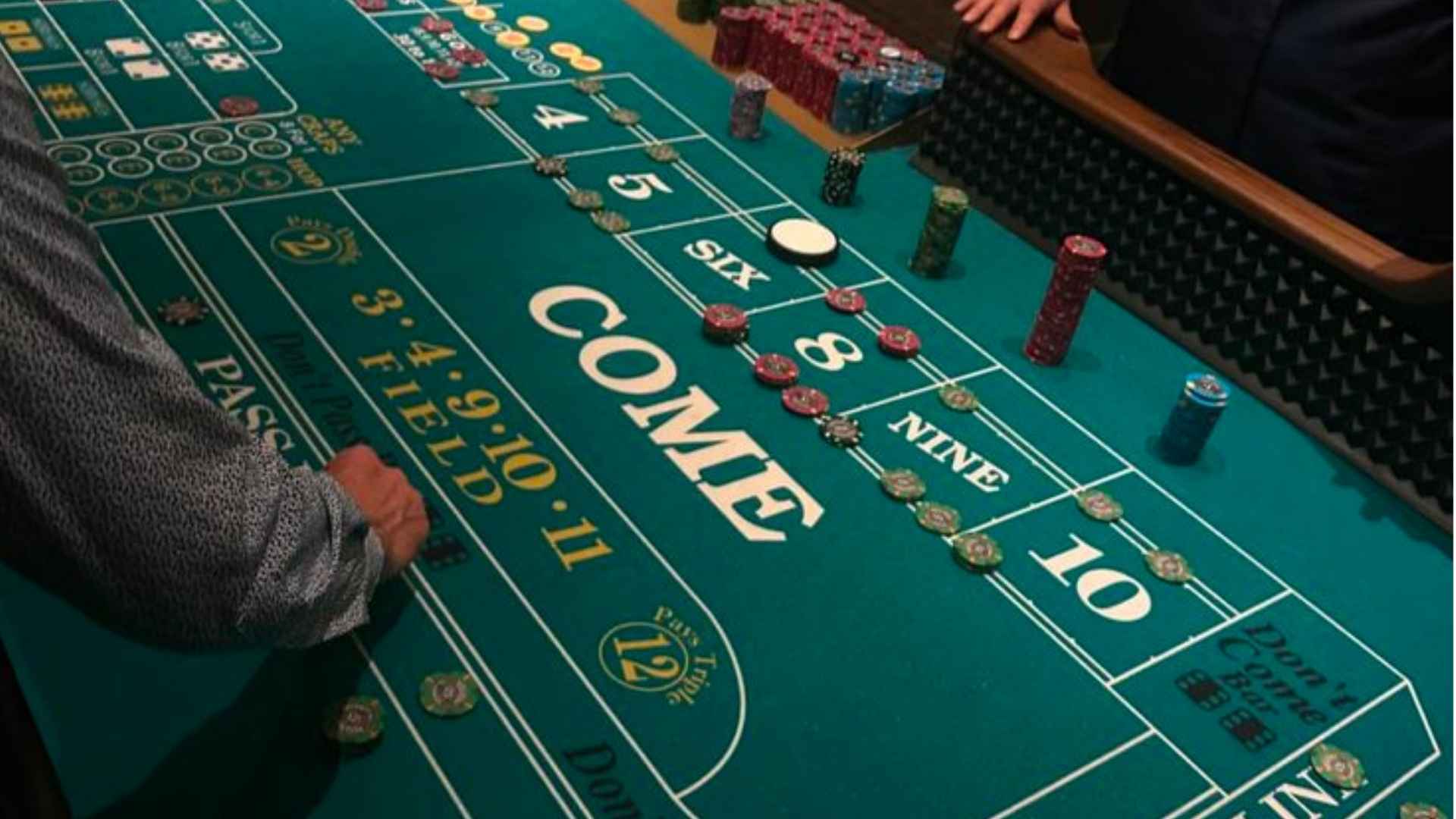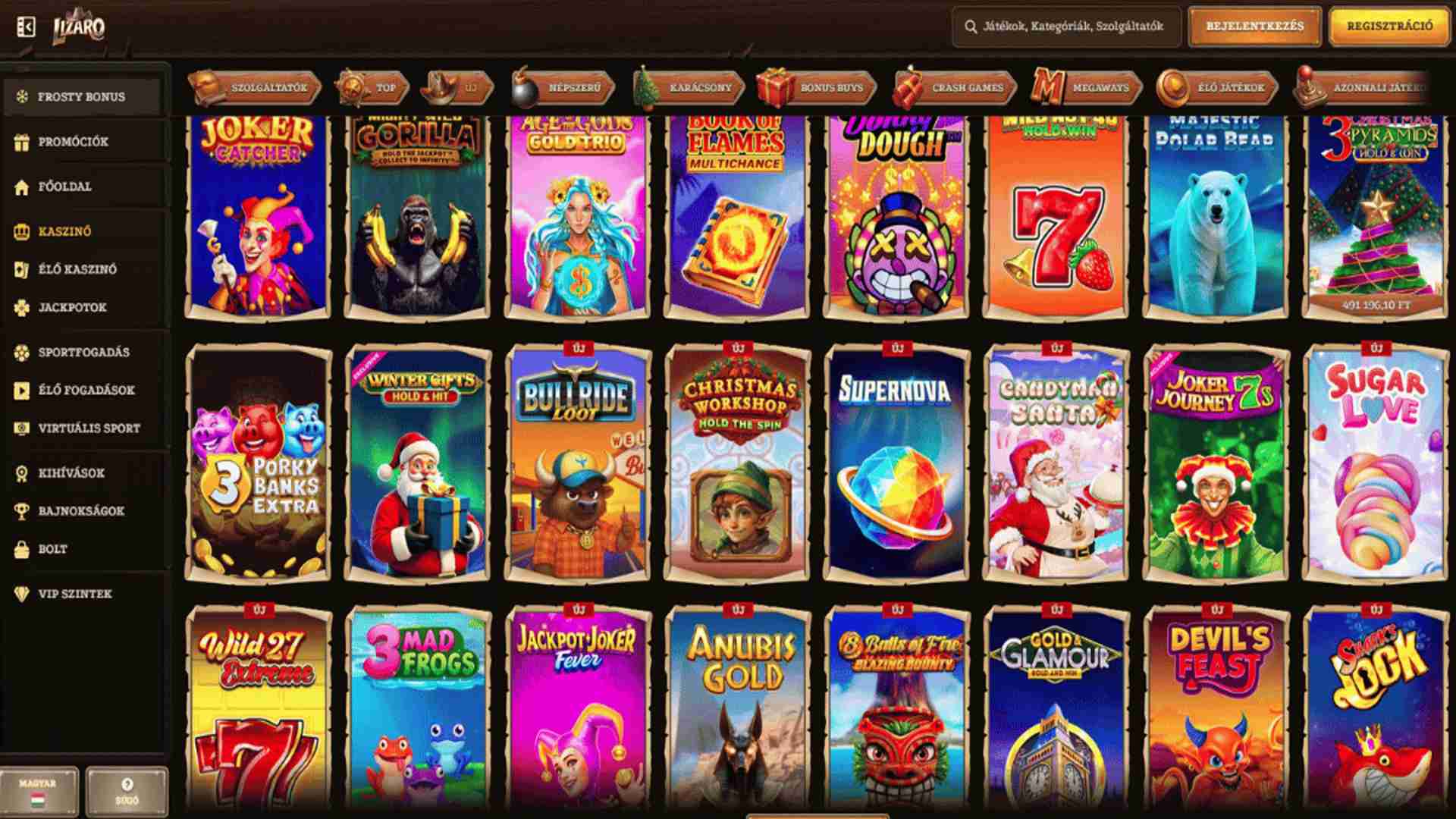
The digital evolution of online card games has placed unprecedented demands on software design, making the layout and feel of virtual tables a top priority for developers. As competitive players spend longer hours online, platforms must move past static designs and adopt interfaces that reduce mental strain. Modern software trends emphasize smooth transitions, less clutter, and high responsiveness to ensure technical friction does not hinder rapid decision-making.
The Shift Toward Clean Minimalist Tables
Unnecessary visual distractions are quickly disappearing from contemporary platform layouts to help players focus entirely on active hand strategies. Removing heavy textures and oversized borders allows essential information like pot size and betting histories to remain clearly legible. This clean approach ensures multi-tabling individuals can monitor multiple games simultaneously without experiencing severe eye strain.
Furthermore, simplified color palettes are replacing older, overly vibrant designs that once dominated early desktop clients. Software designers now choose muted tones and soft background gradients to maintain visual comfort during extended night sessions. This structural shift highlights how modern aesthetics directly complement the high-focus needs of serious online participants.
Seamless Integration Across Multiple Screen Sizes
Modern players expect a completely uniform experience when switching their gameplay from large desktop monitors to portable handheld devices. Software architects manage this demand by building responsive fluid layouts that automatically resize interactive table elements without losing key functionalities. Touch-friendly components ensure action buttons remain easy to tap accurately on compact smart surfaces.
When reviewing modern gaming platforms, completing an m88 casino login register process demonstrates how seamlessly global operators integrate account settings with actual live gaming lobbies. Maintaining identical navigation logic across different viewports minimizes the learning curve when utilizing multiple devices. Reliable cross-platform adaptability has become an essential hallmark of high-tier card gaming software.
Customization Features and Interactive Tool Layouts
Fixed table designs are giving way to fully adaptable workspaces where individual users retain complete control over their visual arrangements. Enthusiasts can easily change felt colors, card deck styles, and automated note-taking tools to suit their daily grinding habits. These personal modifications ensure the environment stays optimized for specific strategic preferences.
Advanced platforms also introduce smart tracking displays that sit natively within the active window without cluttering the screen space. By embedding performance metrics directly into the interface, software developers allow users to track trends without relying on bulky third-party add-ons. Providing access to clean data visualizations directly improves in-game clarity and decision confidence.
The Future of Immersive Software Systems
As development frameworks advance, subtle animations and real-time physics are adding gentle layers of depth to virtual card distributions. These realistic touches mimic the natural flow of physical setups without delaying the rapid pace that online users require. Striking a perfect balance between speed and visual depth remains the ultimate goal for incoming software updates.
Ultimately, software optimization determines whether an interface can sustain these rich visual enhancements during peak traffic periods. Continuous stability improvements guarantee that updated graphic layouts run efficiently even on older computer hardware configurations. The ongoing evolution of interface design ensures that future platform choices remain accessible, stable, and highly functional for global audiences.