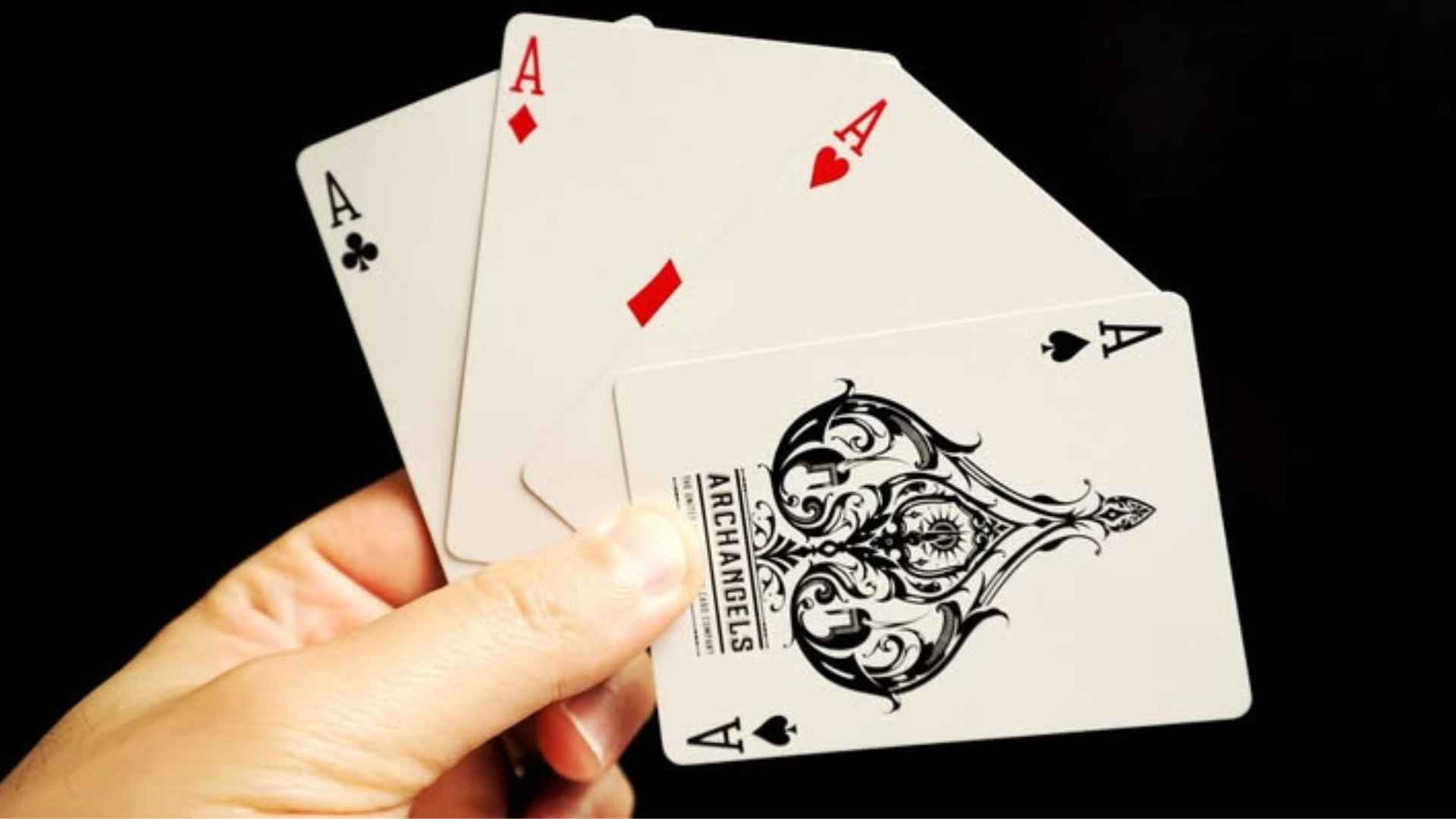
In competitive card games, players often attribute their losses to a string of poor deals or unavoidable bad beats. However, experienced strategists understand that statistical variance is a natural component of any card-based game. The true danger lies not in receiving weak hands, but in allowing frustration and psychological pressure to dictate subsequent decisions. Analyzing emotional errors offers a far more effective pathway toward long-term improvement than dwelling on short-term outcome luck.
The Illusion of Unfavorable Deals
Bad cards are a temporary condition that affects every participant equally over a sufficient sample size. Statistical distribution ensures that random chance balances out during extended playing sessions. Expecting ideal starting conditions in every round creates unrealistic expectations and undermines strategic focus.
When players overemphasize the quality of their cards, they overlook the quality of their own choices. Blaming external factors prevents individuals from identifying flaws in their positional play or chip management. Recognizing that variance is completely normal shifts the focus back to controllable execution.
The Compounding Nature of Psychological Errors
Unlike a single weak hand, an emotional mistake rarely occurs in isolation. A moment of impatience or anger often triggers a cascade of poor decisions across multiple consecutive rounds. This compounding effect causes far greater financial and strategic damage than any individual bad deal ever could.
Players who experience tilt frequently abandon calculated strategies in favor of impulsive revenge bets. For those seeking resources on gaming strategy and platform insights, visiting a wd boss link can offer valuable context on competitive trends. Maintaining psychological stability ensures that small setbacks do not escalate into catastrophic session losses.
Evaluating Decisions Independent of Outcomes
A fundamental mark of expertise is the ability to separate the quality of a decision from its immediate result. A mathematically correct play can still yield a negative outcome due to short-term variance. Conversely, a reckless emotional move might occasionally win a pot, creating dangerous false reinforcement.
Focusing strictly on decision quality helps players develop high cognitive resilience and strategic consistency. By reviewing critical hands objectively, players can isolate emotional impulses from sound tactical reasoning. This rigorous self-evaluation prevents bad habits from forming behind lucky outcomes.
Building Long-Term Strategic Discipline
Developing emotional control requires intentional effort and continuous self-awareness during high-pressure situations. Establishing clear guidelines for stepping away or setting session limits helps mitigate the impact of fatigue and stress. Prioritizing mental discipline ultimately separates elite competitors from perpetual amateurs.
Recognizing emotional triggers allows players to maintain logical clarity even during severe downturns. By prioritizing mental control over worrying about incoming cards, players build a sustainable competitive advantage. In the end, mastering your internal response is far more powerful than wishing for better cards.