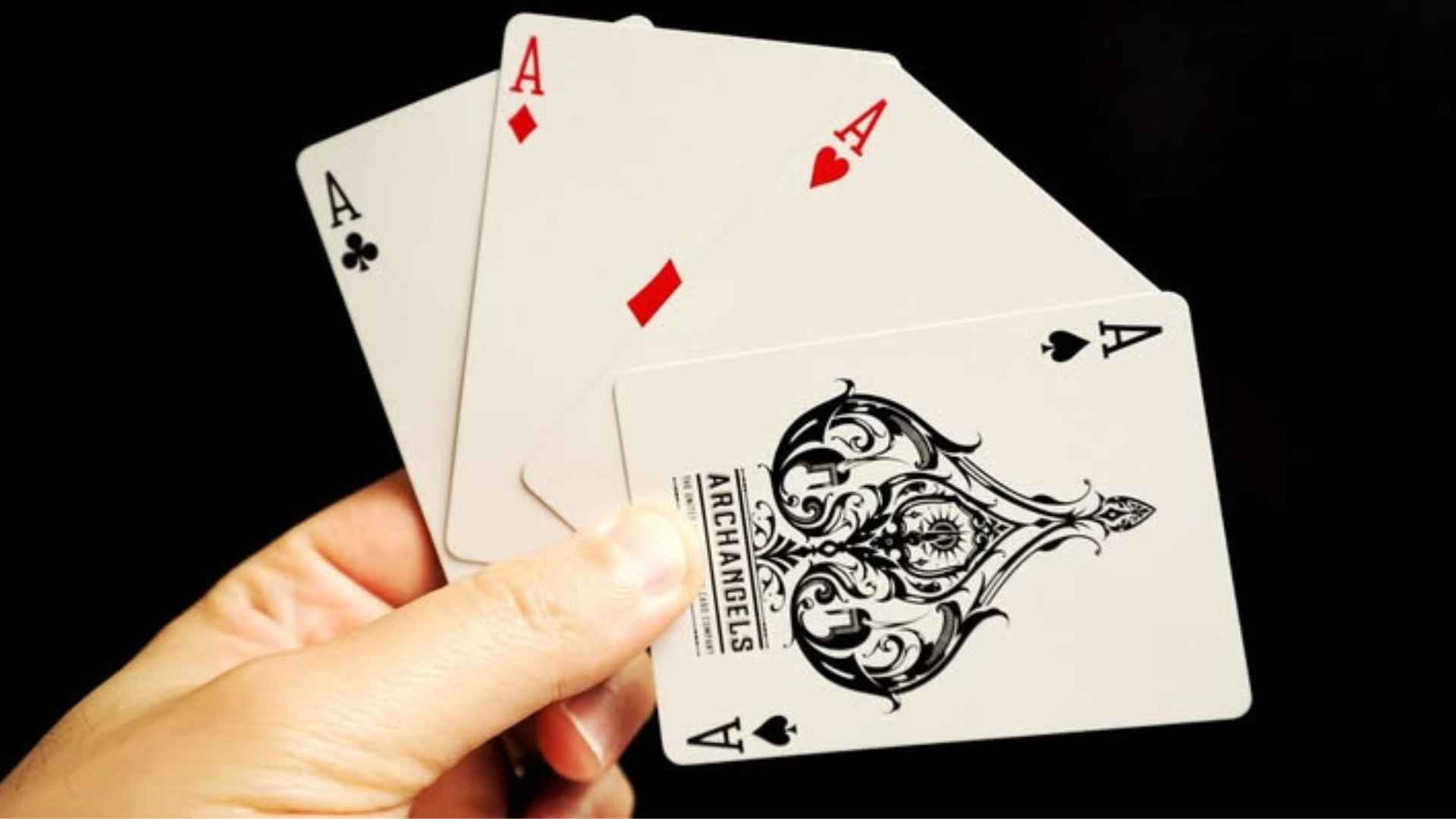
Competitive bridge separates itself from casual home games through structured formats designed to test skill rather than luck. By standardizing deals and scoring methods, tournament organizations ensure that every participant plays under fair and uniform conditions. Understanding how these competitive events operate is essential for any player looking to transition into organized bridge tournaments.
The Core Structure of Duplicate Bridge
Duplicate bridge forms the foundation of almost every competitive event in the sport. In this format, identical card distributions are played across multiple tables, eliminating the advantage of receiving favorable deals. Players earn points by outperforming other pairs who played the exact same cards in the same direction.
This standardized setup removes luck from the equation and highlights pure strategic execution. Competitors must carefully evaluate every trick, as minor decisions can significantly alter their final position. Beginners often start with duplicate pairs to build consistent card-reading habits under real tournament conditions.
Matchpoint Pairs Events
Matchpoint scoring is one of the most widespread competitive styles in duplicate bridge tournaments. In a matchpoint event, your score on a board is compared directly against every other pair sitting in your direction. Taking an extra overtrick or defeating a contract by one more trick can yield a maximum score, regardless of the point total.
Because every hand holds equal weight, aggressive play and fine tactical nuances become crucial. Players searching for news on gaming hubs or looking up an official m88 mansion link often appreciate how strategic analysis applies across both card tables and digital platforms. Navigating matchpoint strategy requires finding a delicate balance between safety and maximum reward.
International Match Points and Team Play
Team matches rely on International Match Points, commonly known as IMP scoring, which measures absolute score differences between two tables. In this format, two pairs from the same team play opposing directions at different tables using the same deck configurations. The net score difference is converted into IMPs using a standardized conversion scale.
Unlike matchpoints, team events place a heavy emphasis on bidding and making game or slam contracts reliably. Overtricks matter far less than avoiding costly set penalties or missing high-value game bonuses. Successful team players focus on safe contract execution and reliable defensive communication.
Swiss Teams and Knockout Tournaments
Swiss team tournaments pair teams against opponents with similar cumulative scores after every round. This progressive matching system ensures that matches remain competitive and balanced throughout the entire duration of the event. It offers a popular, high-energy environment for players seeking steady multi-round competition.
Knockout tournaments, on the other hand, follow a head-to-head elimination bracket where losing teams are immediately eliminated. These long-format matches test endurance, mental focus, and tactical adaptability over extensive session blocks. Winning a knockout event requires deep partnership trust and strong psychological resilience under pressure.