The pursuit of tactical success often requires a unique blend of critical thinking, patience, and adaptability under pressure. While many people associate strategic decision-making strictly with professional environments, classic tabletop setups provide an exceptional testing ground for these skills. Engaging regularly with complex table activities helps individuals refine their mental models and practice calculated risks in a controlled setting.
The Analytical Foundation of Chess
Chess stands as one of the oldest and most universally respected arenas for pure tactical development. Every match challenges players to analyze multiple moves ahead while simultaneously decoding the subtle defensive choices of their opponent. This constant forward-thinking process builds a highly methodical mindset that transfers naturally to real-world problem solving.
Furthermore, the absence of hidden information means that victory relies entirely on personal skill and foresight rather than random luck. Players must learn to balance immediate advantages with long-term positional control to achieve true success. This deep layer of strategy teaches the invaluable lesson of sacrificial play for an ultimate future victory.
Calculated Risk in Modern Board Games
Beyond traditional classics, modern designer board games introduce layered resource management systems that mimic real-world economics. These platforms require participants to optimize limited actions while competing for shared objectives on a physical map. Navigating these constraints forces individuals to pivot their active plans dynamically as board states fluctuate.
Developing an elastic strategy is crucial because relying on a singular path to victory often results in a quick defeat. Enthusiasts must continuously weigh potential rewards against the probability of failure during each active phase. For those looking to explore diverse platform options that challenge predictive skills, checking out the latest digital alternatives on M88 toto offers a fresh perspective on structured gaming. Managing small assets efficiently within these frameworks builds a powerful baseline for commercial and financial planning.
Psychological Dynamics and Tactical Adaptability
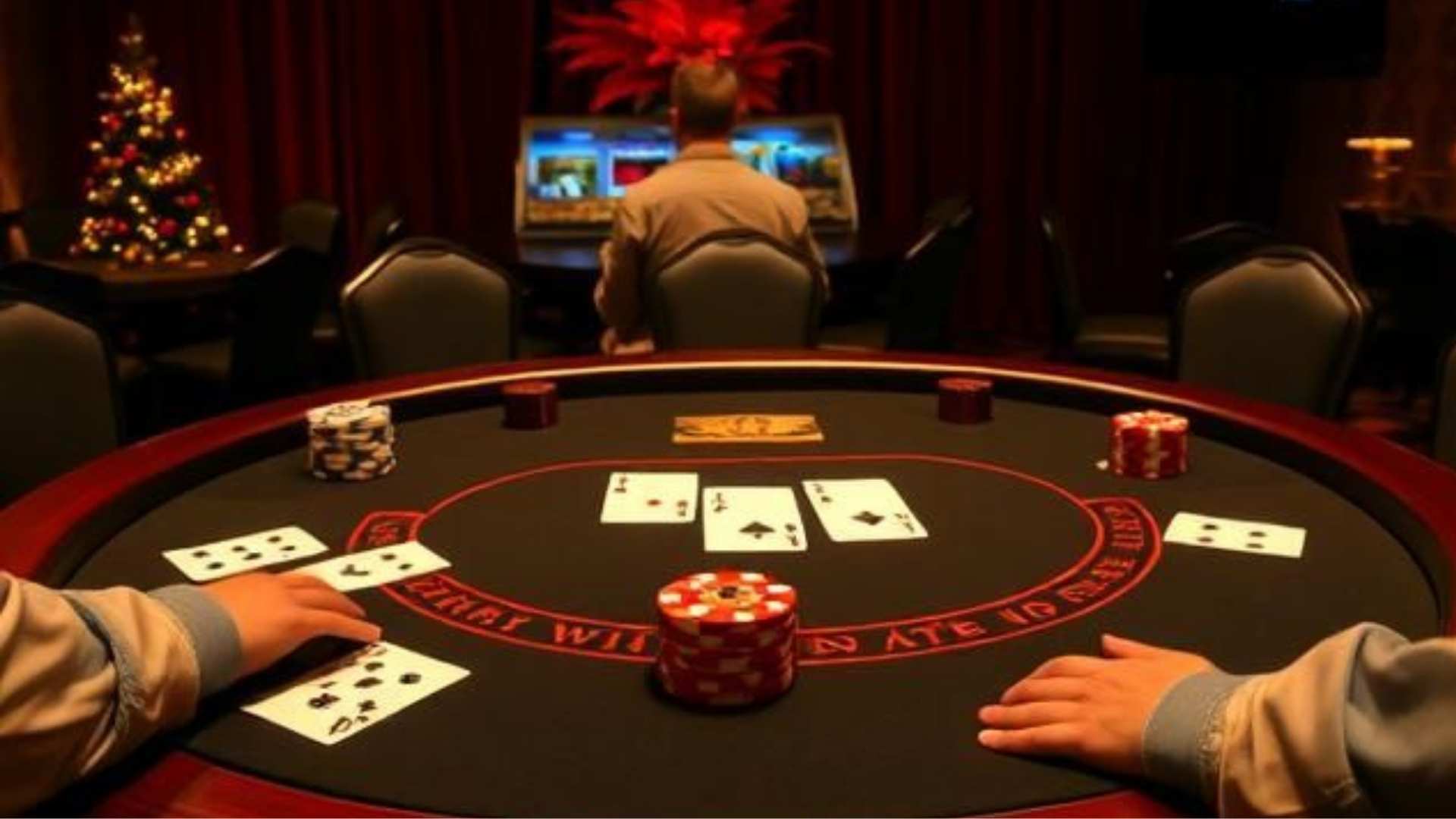
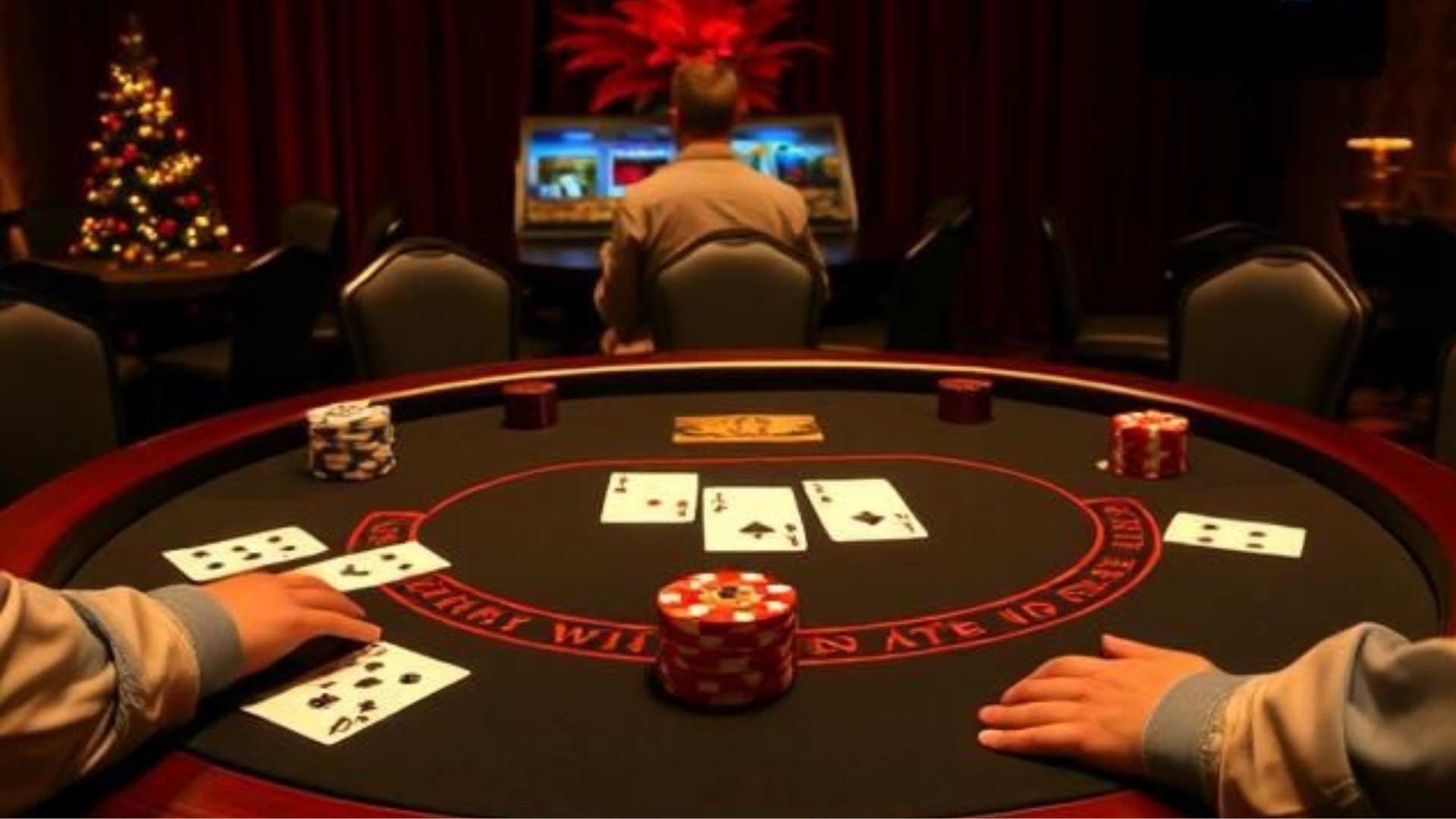
True tactical excellence requires more than just mathematical calculations; it demands emotional discipline and sharp observational skills. Card-based table games introduce the element of hidden information, forcing players to read behavioral cues and spot inconsistencies. Mastering this environment relies heavily on understanding human psychology and controlling personal tells.
Successfully navigating high-stakes situations teaches players how to maintain clarity when facing unexpected adversity. Learning to execute a well-timed bluff or identifying a trap set by an opponent refines overall leadership judgment. These interactive experiences ultimately prove that the psychological side of gaming is just as crucial as the underlying rules.
Fostering Long Term Strategic Habits
In conclusion, engaging with diverse tabletop activities serves as an enjoyable yet rigorous workout for the human brain. Regularly facing off against live opponents helps sharpen cognitive processing speed and improves risk evaluation metrics. Over time, these analytical sessions transform casual players into highly capable decision-makers.
By treating each session as an opportunity to test new hypotheses, individuals build a resilient approach to complex problems. The enduring popularity of these face-to-face challenges underscores their profound value in developing human intelligence. Investing time into mastering these traditional and modern setups offers an unmatched path toward lasting tactical success.